Strategic Cycle 2026/2027 – 2031/2032

Temba Emeeza. Climb the Table: One Movement!

Rooted in Faith. Driven by Justice. Built for Generation-Lasting Self-Reliance.

We are transforming ordinary citizens from passive recipients of development decisions into active owners of their future. Uniting 800 religious leader subscribers and 146 member Faith-Based Organisations across 10 district interfaith hubs and 3 sub-regional hubs in Kyenjojo, Kyegegwa and the wider Albertine Graben, WUFBON builds locally owned ecosystems of specialized healthcare, inclusive green schools, clean-energy retail micro-franchises, wildlife defense and riverine green businesses, engineered to achieve 100% financial self-reliance by 2031/2032.

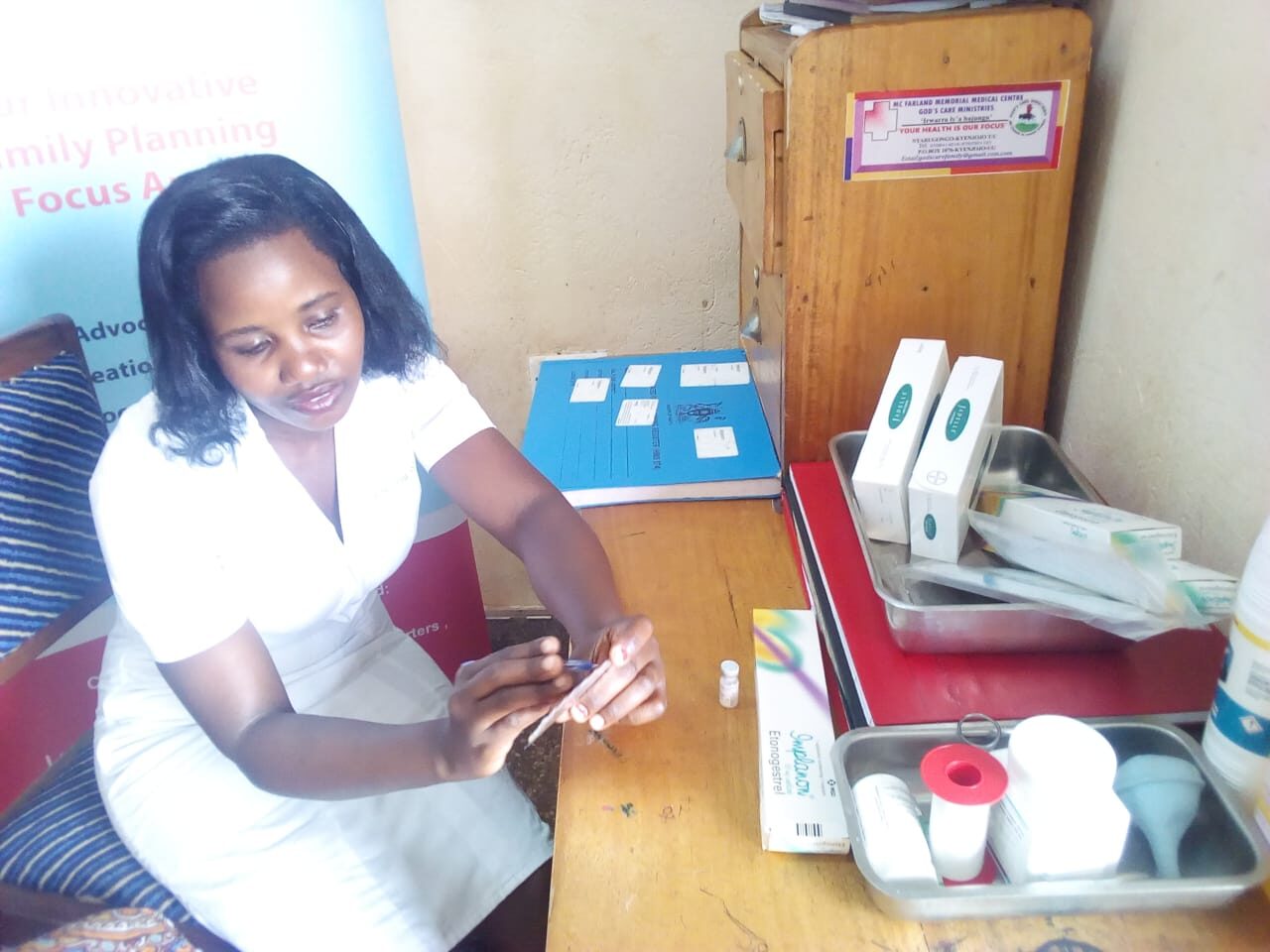
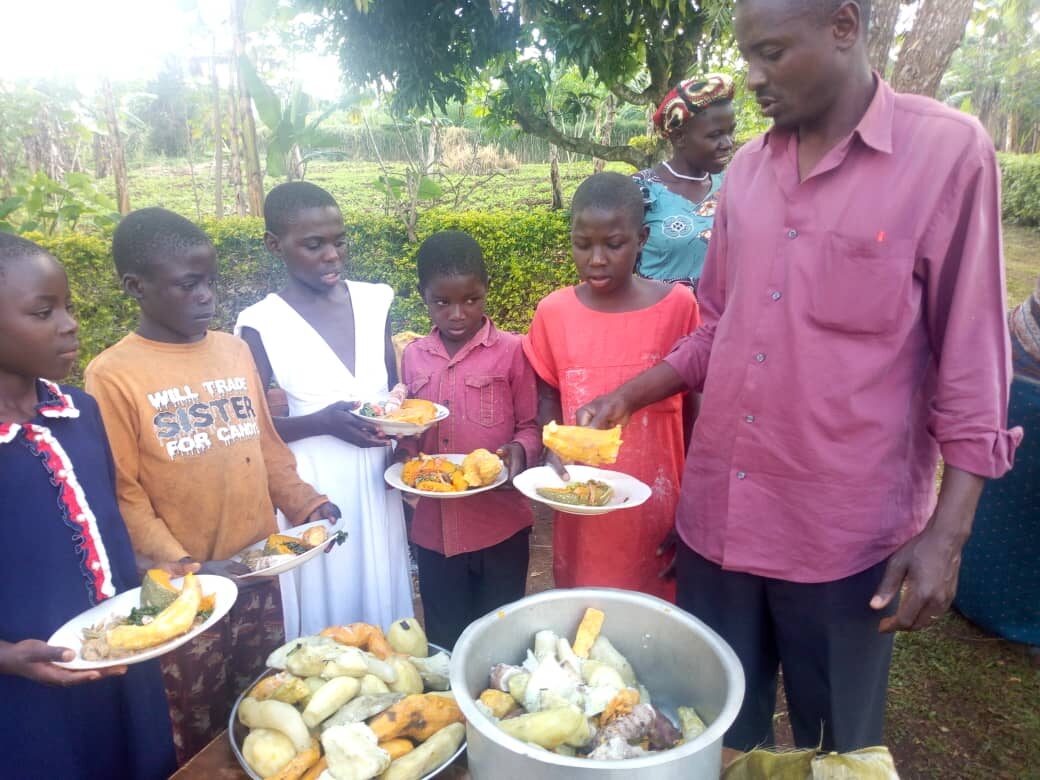
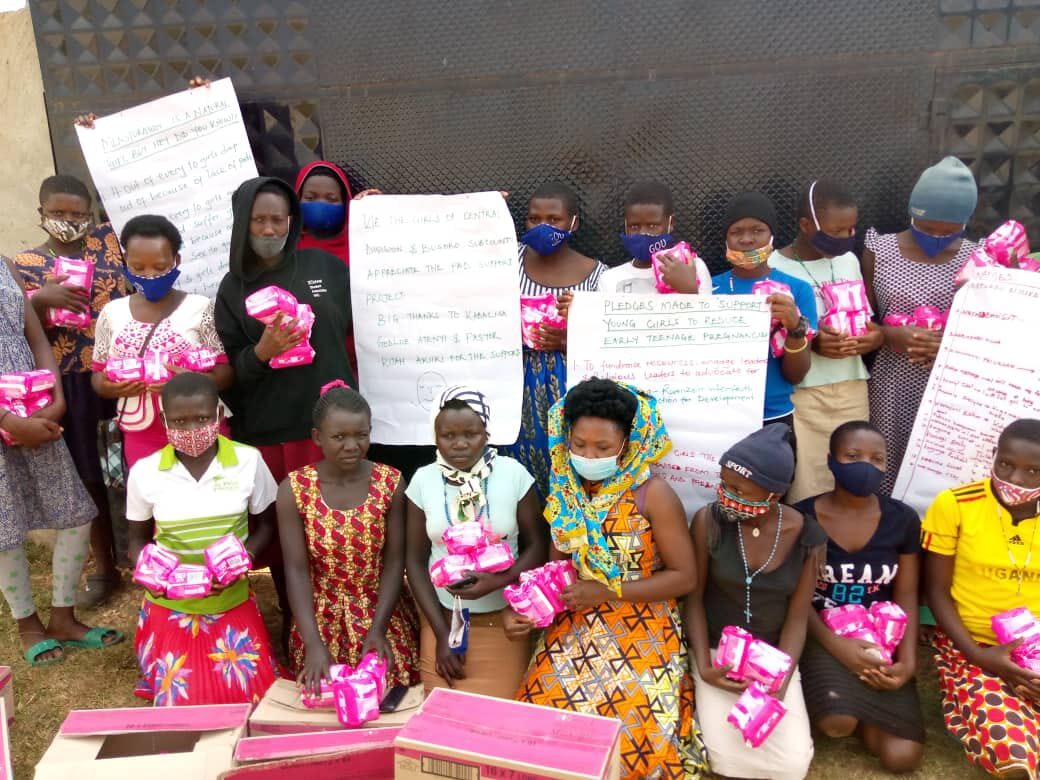
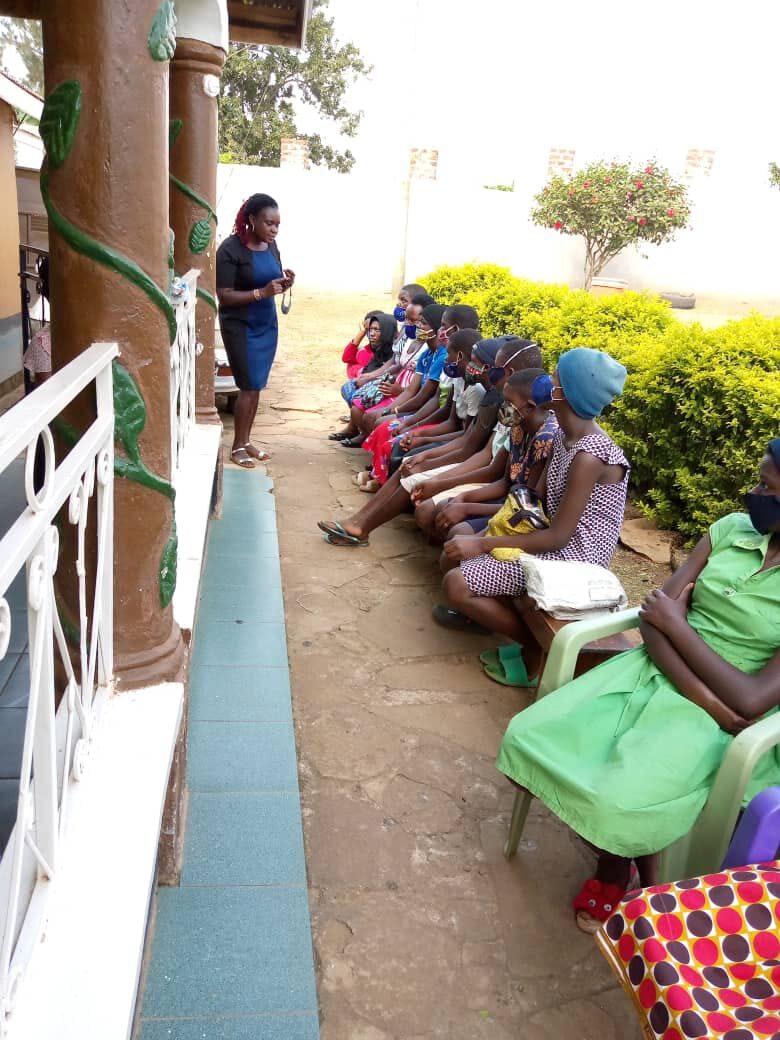
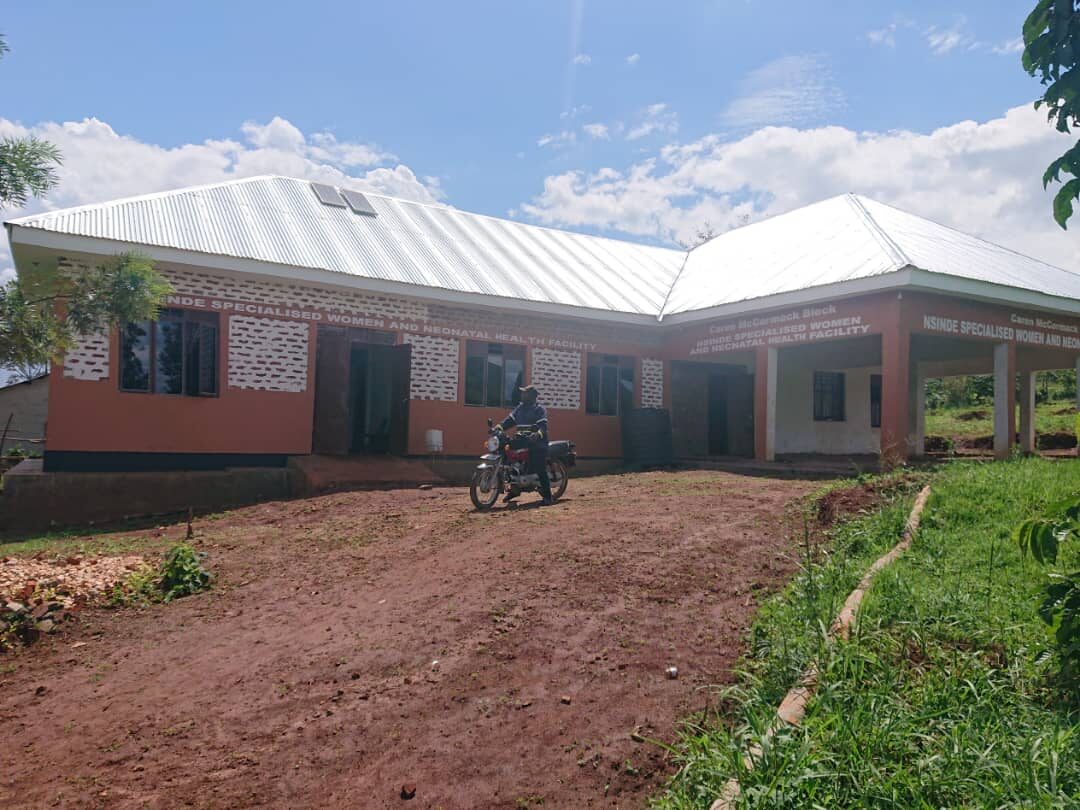
Girls from Central Division and Busoro sub-county holding sanitary pads and pledge posters at a WUFBON pad support project A WUFBON facilitator leading an outdoor session with adolescent girls The Caren McNelly McCormack Women and Children Health Facility building in Kigoba (Nsinde)
390,100+Direct citizens & youth reached across Western Uganda
800 & 146Clergy subscribers & member Faith-Based Organisations
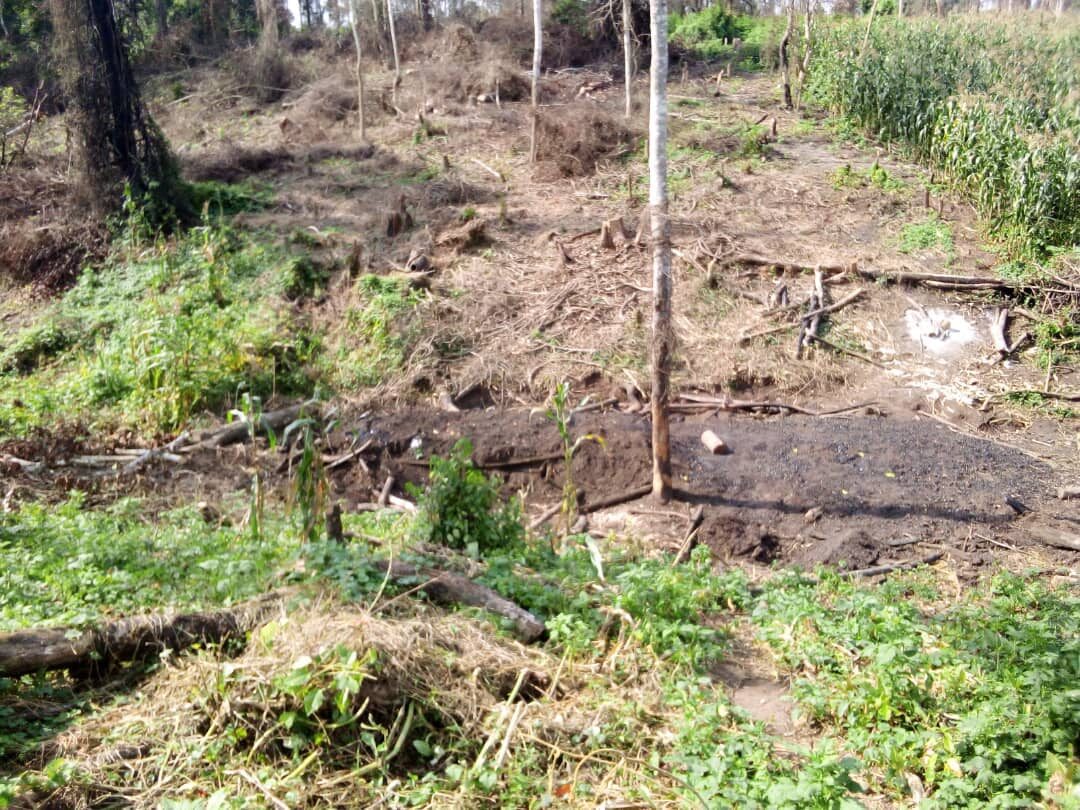
80,000+Indigenous trees planted along the Nsinde-Rwamaswajwa basin
UGX 10MRing-fenced Kyenjojo family planning budget line, plus 50+ by-laws
Western Uganda Faith Based Organisations Network logo

Who we are

Our Vision & Mission

Our Vision

An accountable, courageous, self-reliant interfaith movement

An accountable, courageous, and self-reliant interfaith grassroots movement across Western Uganda where climate change adaptation, sexual and reproductive health and rights (SRHR), bodily autonomy, clinical excellence, economic justice, wildlife protection, and ecological stewardship are realized for all people.
Our Mission

Rooted in faith, feminist principles and civic solidarity

WUFBON mobilizes 800 religious leader subscribers and 146 Faith-Based Organisations across the Albertine Graben to pioneer climate-health integration, advance sub-national health policy decentralization, secure grassroots worker power, provide stigma-free financial inclusion, protect vital water basins and wildlife corridors, and deliver quality foundational education through bold social enterprise and non-partisan civic advocacy.

For institutional donors

Why donors invest in WUFBON

Four structural pillars make every partnership build lasting, locally owned capacity.

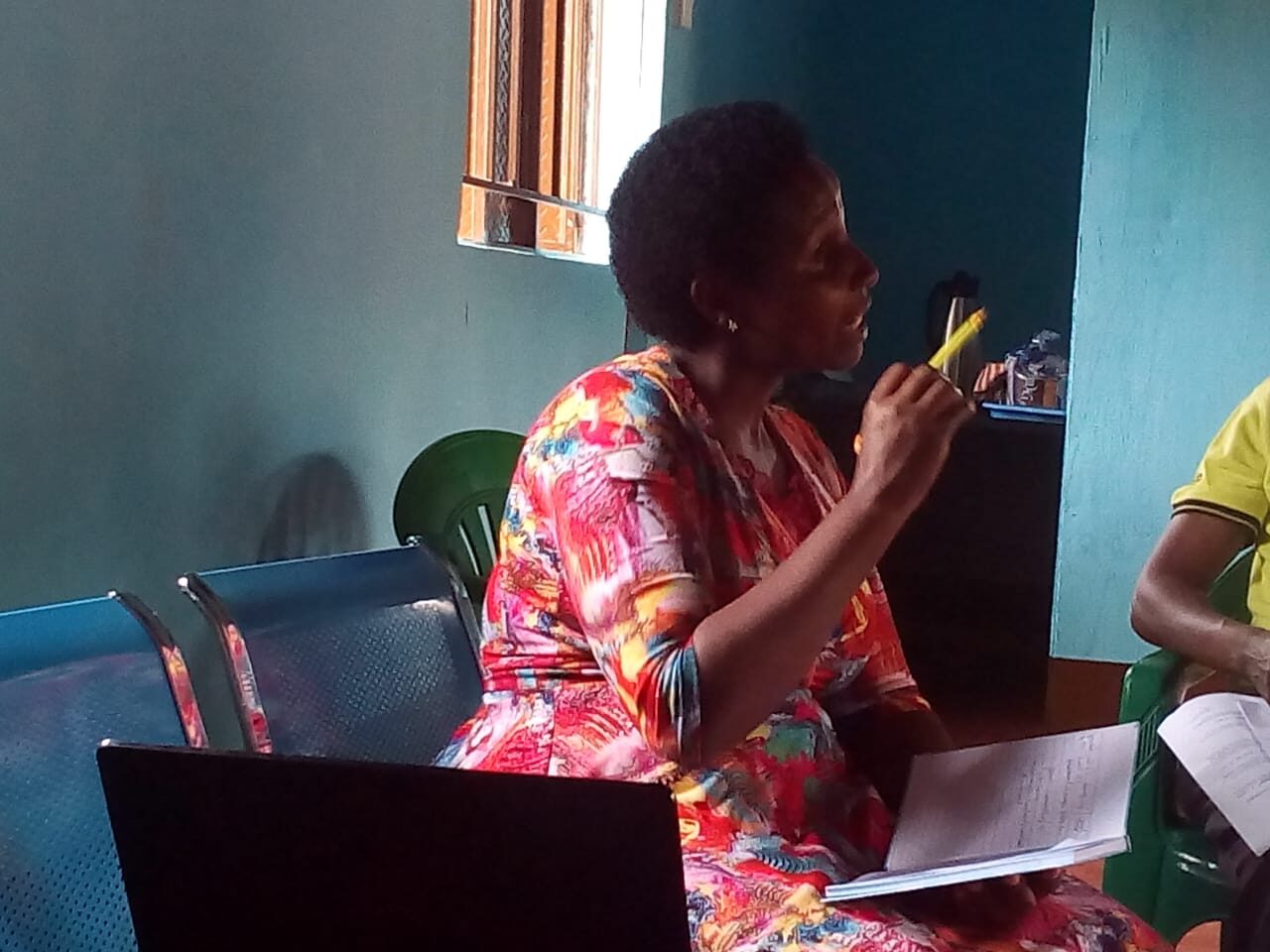
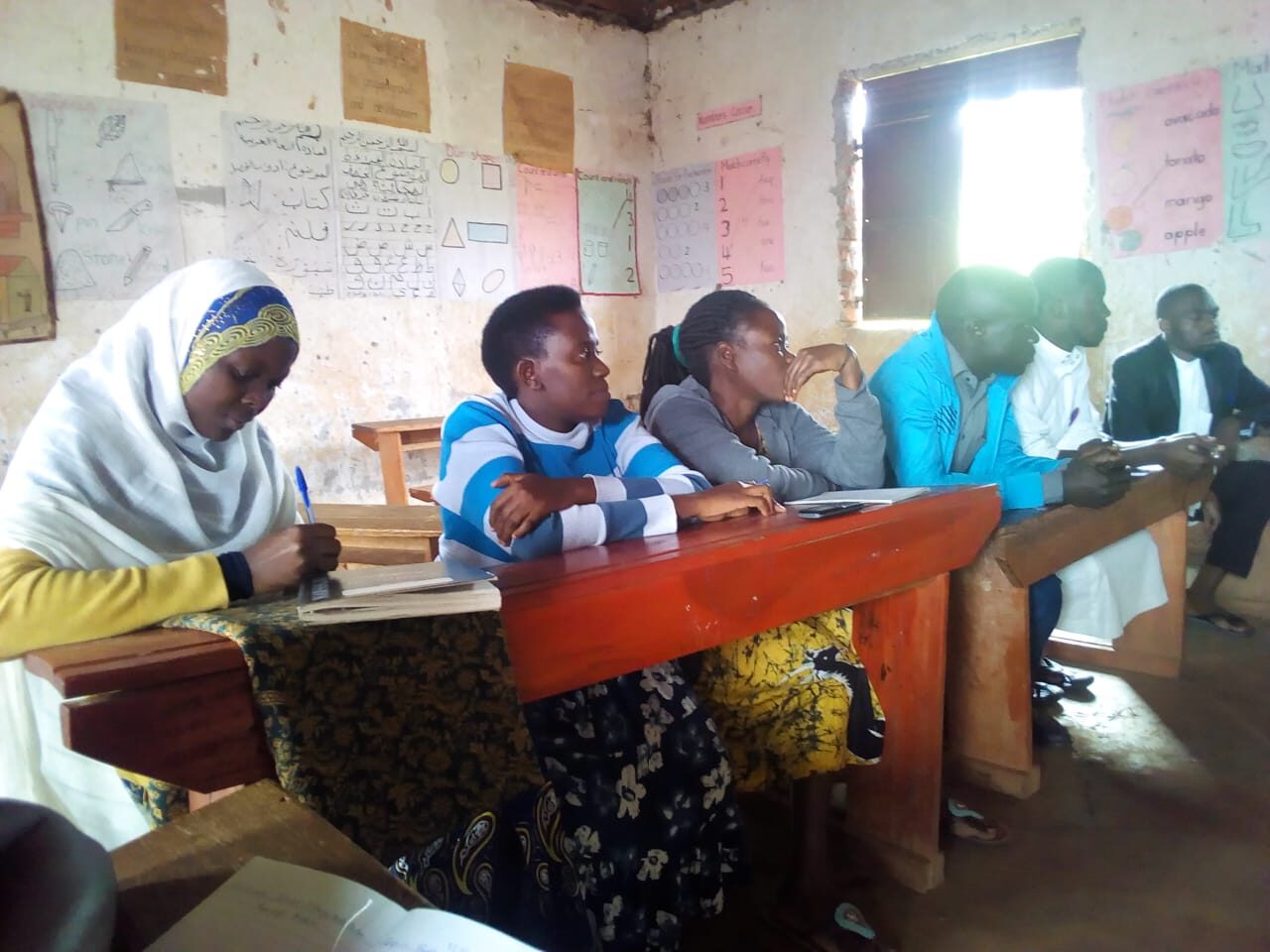
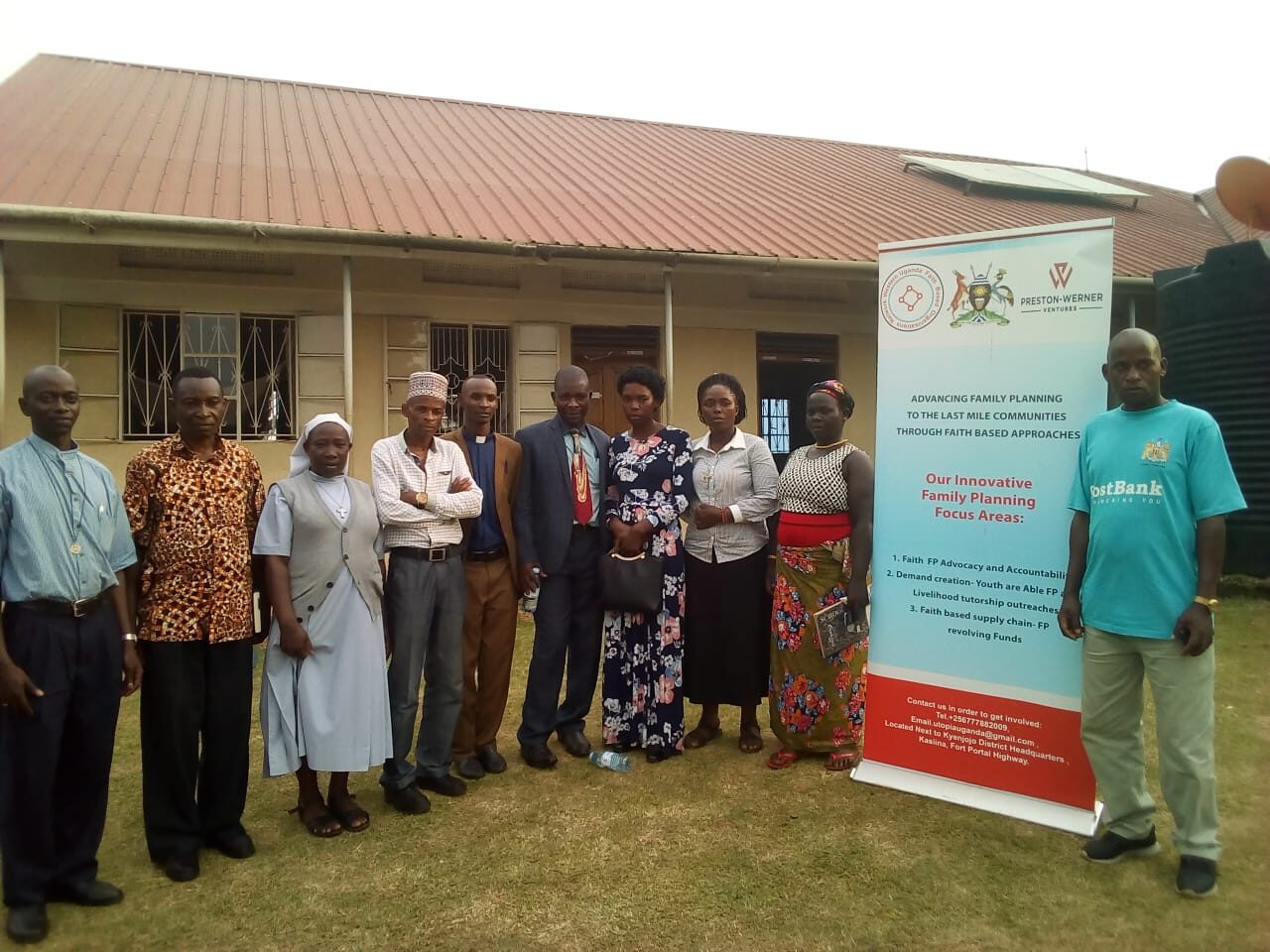
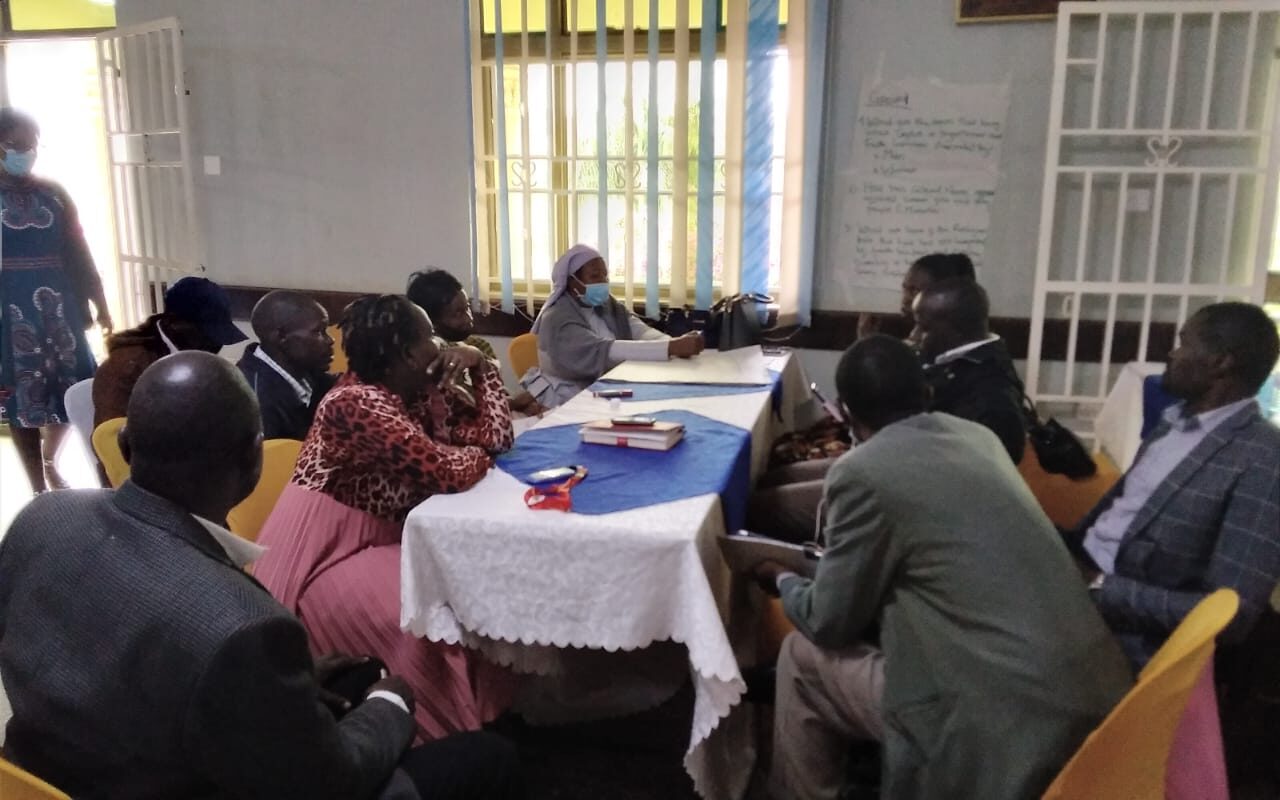
Religious and community leaders, including a Catholic sister, in a WUFBON interfaith planning meeting
Interfaith leaders planning together at a WUFBON hub meeting.
1

The Cross-Subsidizing Business Model

We do not run charity conduits; we build income-generating assets. The private clinical wing at the Caren McNelly McCormack Women and Children Health Facility, commercial advertising slots across our 25-station Interfaith Media Network, and eco-hospitality fees at Nsinde Eco-Beach generate permanent local revenue to cover 100% of core operational overheads and cross-subsidize free care forever.

2

The Last-Mile Clean Energy Retail Engine

Rejecting market-distorting handouts, WUFBON trains and supplies interfaith youth chapters, women's Village Savings and Loan Associations (VSLAs), and Persons with Disabilities (PWDs) to operate as certified retail micro-entrepreneurs selling tier-1 solar home systems and clean cookstoves.

3

Last-Mile Predictive Data (The Interfaith 52 Model)

Trained interfaith health and youth organizers use mobile digital applications to map childhood immunization gaps, log real-time HIV/AIDS diagnostics, track mental health and nutritional burdens, prevent unsafe abortions, and secure medicine supply lines at the last mile.

4

Trusted Interfaith Monolithic Infrastructure

Anchored inside 800 religious leader subscribers, 146 FBOs, trade associations and workers' unions, we rapidly de-escalate land, mining and climate-induced conflicts through the Alternatives to Violence Project (AVP) while preserving safe civic space for marginalized groups.

Verified impact · 2013 – present

Our ecosystem reach

800 & 146

Religious leader subscribers & FBOs

Mobilized across 10 district interfaith hubs and 3 sub-regional hubs spanning Kyenjojo, Kyegegwa, Kabarole, Kagadi and the wider Albertine Graben.

250,000+

Citizens in peace, health & climate dialogues

Engaged since 2013 through intra-, inter- and extra-faith dialogues, plus 100,000+ monthly radio listeners across 25 stations and 10,000+ annual visitors at Nsinde Eco-Beach.

77,100+

Youth & citizens reached with SRHR & FP information

Including 47,100 adolescents and youth in Kyegegwa via the Mobile Youth Truck (3,000+ adolescent new FP users; 20 medical workers trained with FHI 360/USAID APC) and 30,000+ through 200+ sports, cultural, music and poetry events.

50+

Sub-national policy & budget milestones

Costed FP Implementation Plans for Kyenjojo and Kagadi, the Kyegegwa FP Charter, the Kabarole FP Plan, Kyenjojo's COVID-19 Rapid Plan, 50+ by-laws/motions and a ring-fenced UGX 10,000,000 FP commodity budget line.

80,000+

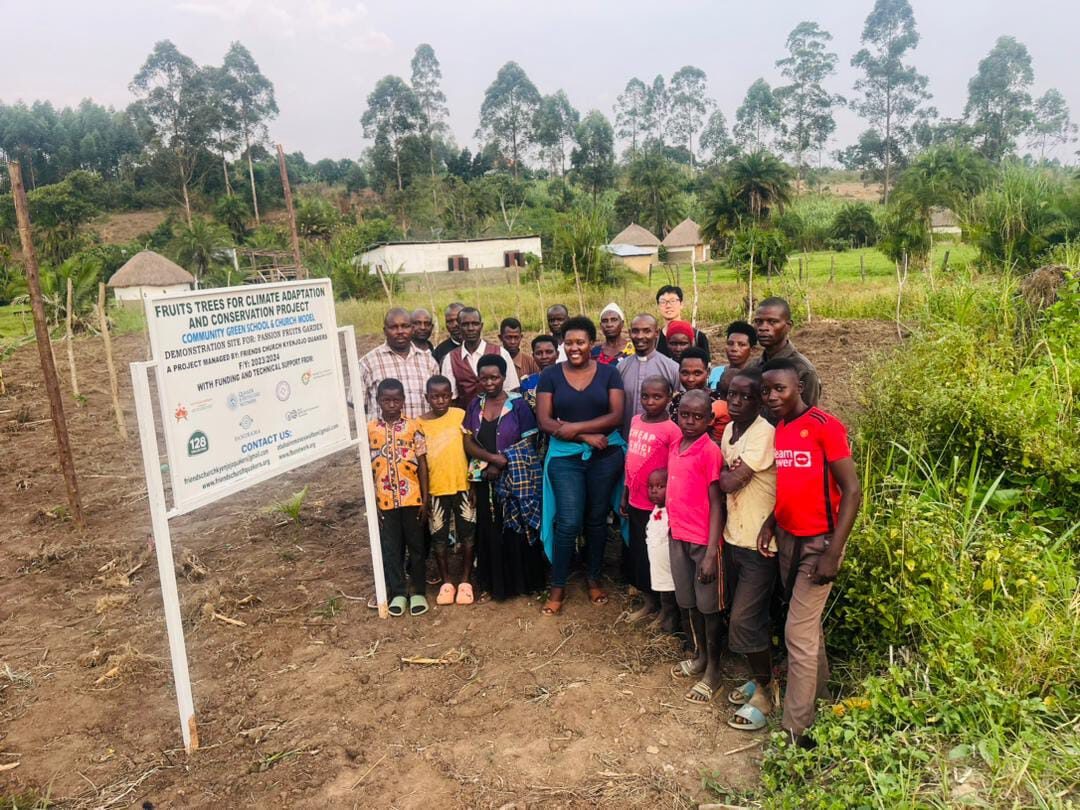
Indigenous trees planted

Restored along the Nsinde-Rwamaswajwa River Basin and degraded water catchments.

4 + 60+

Flagship social enterprises & micro-franchises

Caren McNelly McCormack Health Facility, Clean Energy Retail Shops, Nsinde Eco-Beach and Quaker Financial Services (+ VSLAs), alongside 60+ village-led clean-energy micro-franchises.

Plus 52+ Interfaith Green Schools delivering 70% certified OVC nutritional recovery coverage, and 10 rural health nodes providing decentralized pediatric Type 1 diabetes care.

Verified network scale & institutional footprint

Religious Leader Subscribers800+
SRHR & Biodiversity Events200+
Workers' Mediations Held150+
Member Faith-Based Orgs (FBOs)146
Clean-Energy Micro-Franchises60+
Interfaith Green Schools52+
Sub-National By-Laws & Motions50+
Coordinated Radio Stations25
District & Sub-Regional Hubs13

Figure 1 · Verified count / scale, 2013–2026

Gender & social inclusion across WUFBON programs

  • Women (57%)
  • Men (36%)
  • Others: PWDs & Minorities (7%)
  • Girls (52%)
  • Boys (41%)
  • Others: PWDs & Minorities (7%)

Figure 2 · 57% women / 36% men / 7% others across adult cohorts; 52% girls / 41% boys / 7% others across youth cohorts

In the field

Moments from our work

Co-invest in community-owned assets

Your contribution is catalytic seed capital for revenue-generating social enterprises that sustain themselves.